
DSP TOOLING
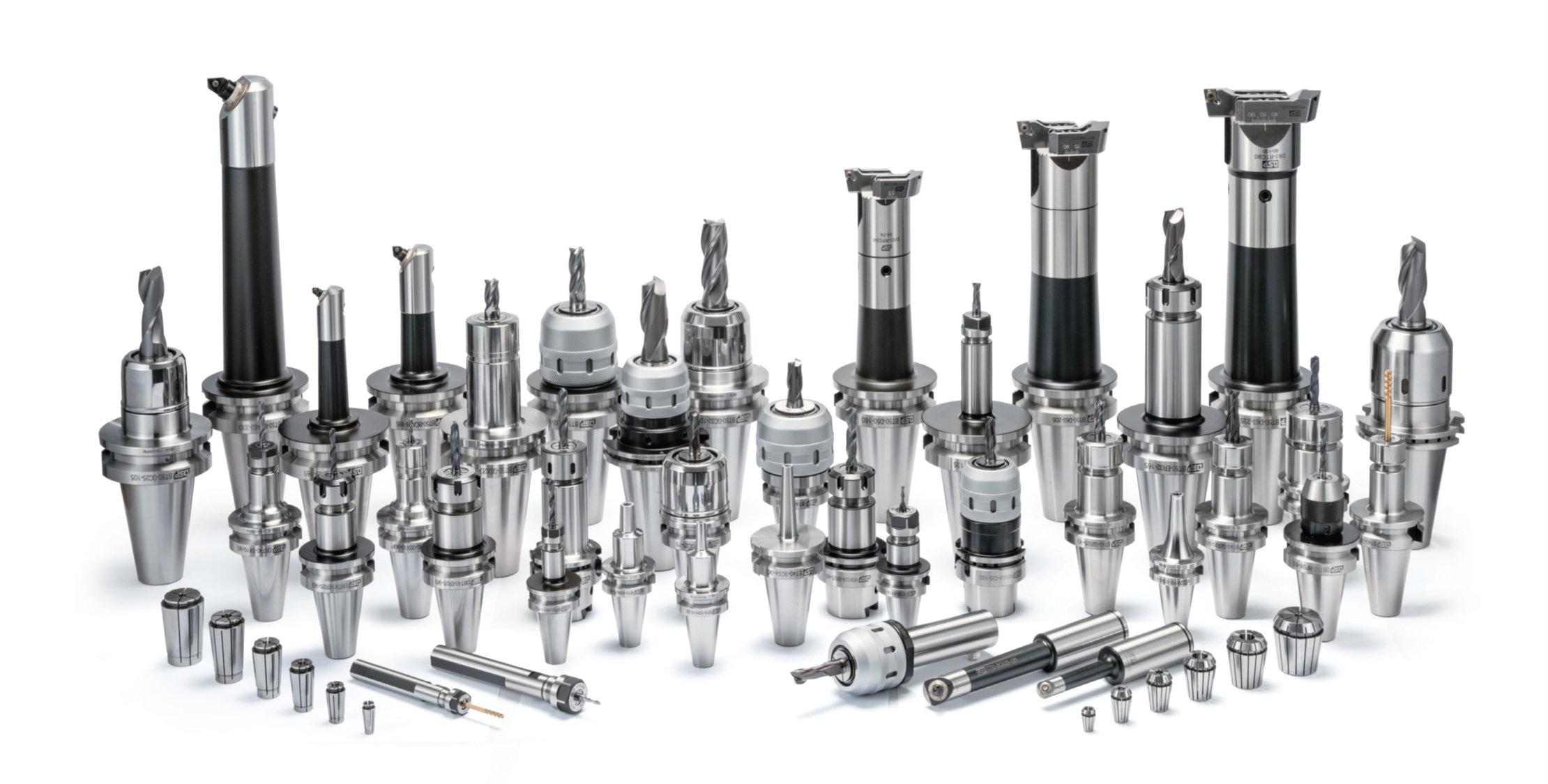
DSP TOOLING designs and manufactures tooling systems like Milling, Collet, NC Drill, Tapping Chucks, and HSK Tooling.
We specialize in MACHINING CENTER-TOOL HOLDERS (ARBORS), exporting globally.
With ISO certification and continuous R&D, we guarantee world-class quality.
Driven by innovation and talent, we prioritize customers to advance your machining technology.
- Favorites
- 0
- Inquiry
- 1
- Order
- 0
- Review
- 0
classification
- Business Type
- Manufacturer
- Main Products
-
[Materials] Machinery & Heavy Equipment > Tool > Cutting Tool > Tooling System
Company Overview
-
CEO
Sohn Ju Hyung
-
Address
DSP TOOLING 25 Janggogae-ro 118beon-gil, Seohae-gu, Incheon 22842
-
Country / Region
REPUBLIC OF KOREA / All areas
- Homepage https://en-dsptooling.com
-
Total Employees
11~50
-
Total Annual Revenue(USD)
1,001~5,000
-
Year Established
2007
-
Main Markets
JAPAN, UNITED STATES, Chinese Taipei
Production Capacity
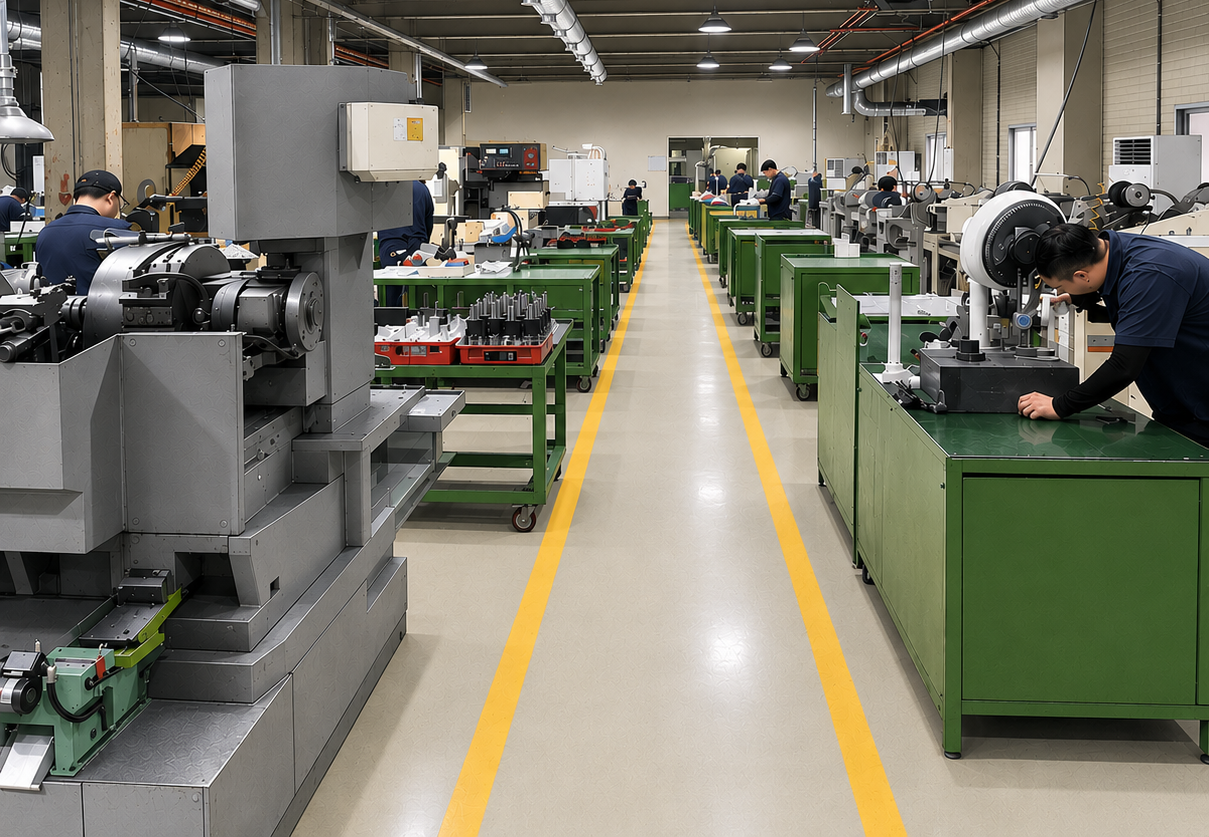
| Factory size | 2,200 square meters |
|---|---|
| Factory country / region | Incheon / South Korea |
| Number of production lines | 58 Machines (e.g., CNC Lathe, CNC Cylindrical/Internal Grinding Machine) |
| Contract manufacturing | OEM, ODM, OBM Available |
| Annual output value | In the year of 2025, 78,928 EA (Arbor 26,416 EA + Collet 25,055 EA + Outsourcing 27,457 EA) |
| Name of the product | Production line capacity | Actual production volume (previous year) |
|---|---|---|
| Arbor | Refer to the number of Machines | 26,416 EA |
| Collet | Refer to the number of Machines | 25,055 EA |
| Production line | Manager | Number of operators | In-line QC/QA capability |
|---|---|---|---|
| 58 Machines (e.g., CNC Lathe, CNC Cylindrical/Internal Grinding Machine) | 2 | 18 | 2 |
Quality Control
-
-
-
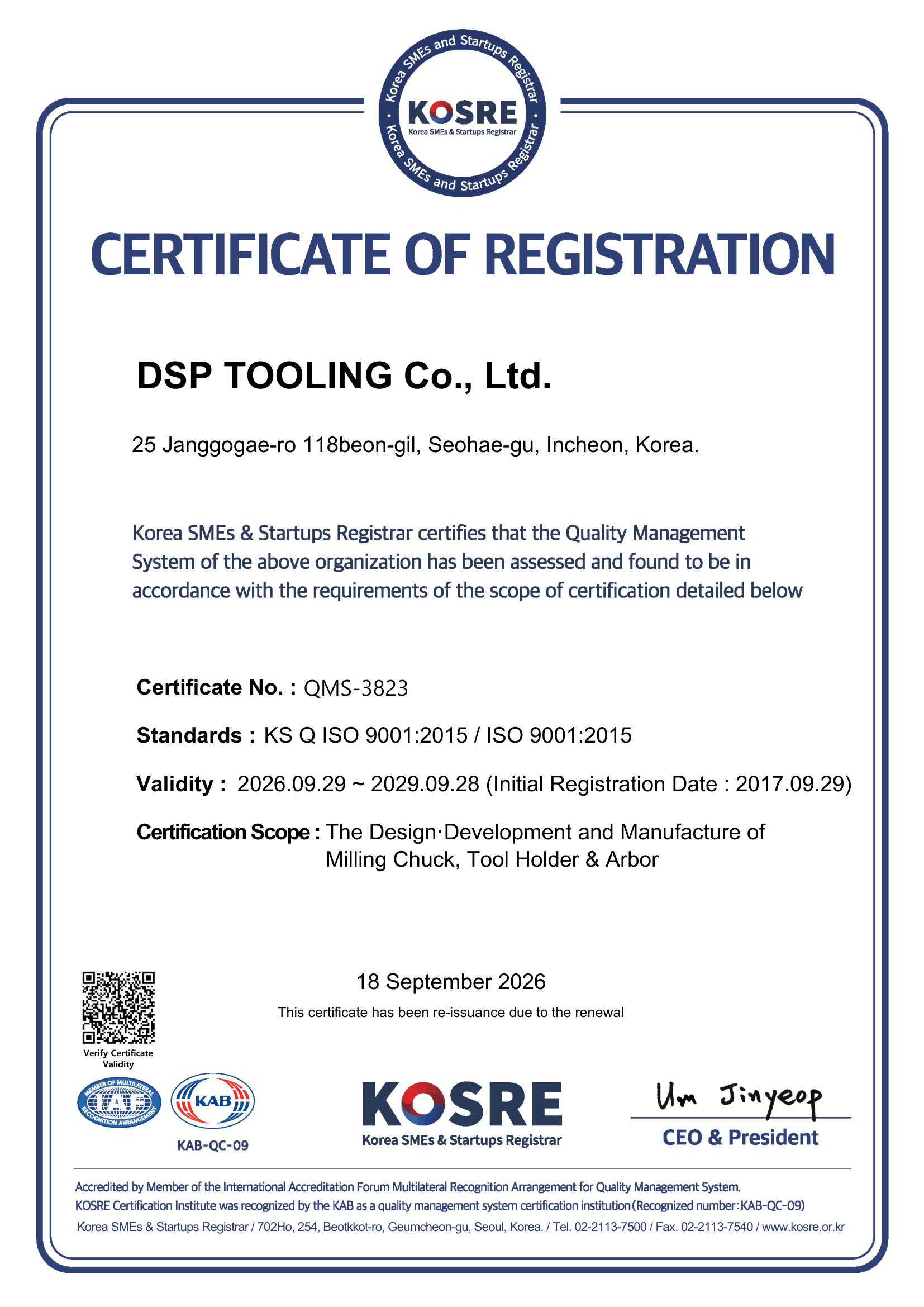
ISO 9001We are pleased to confirm that DSP TOOLING Co., Ltd. maintains an active Quality Management System certified under ISO 9001:2015 for the design, development, and manufacture of precision milling chucks, tool holders, and arbors.
-
-
-
-
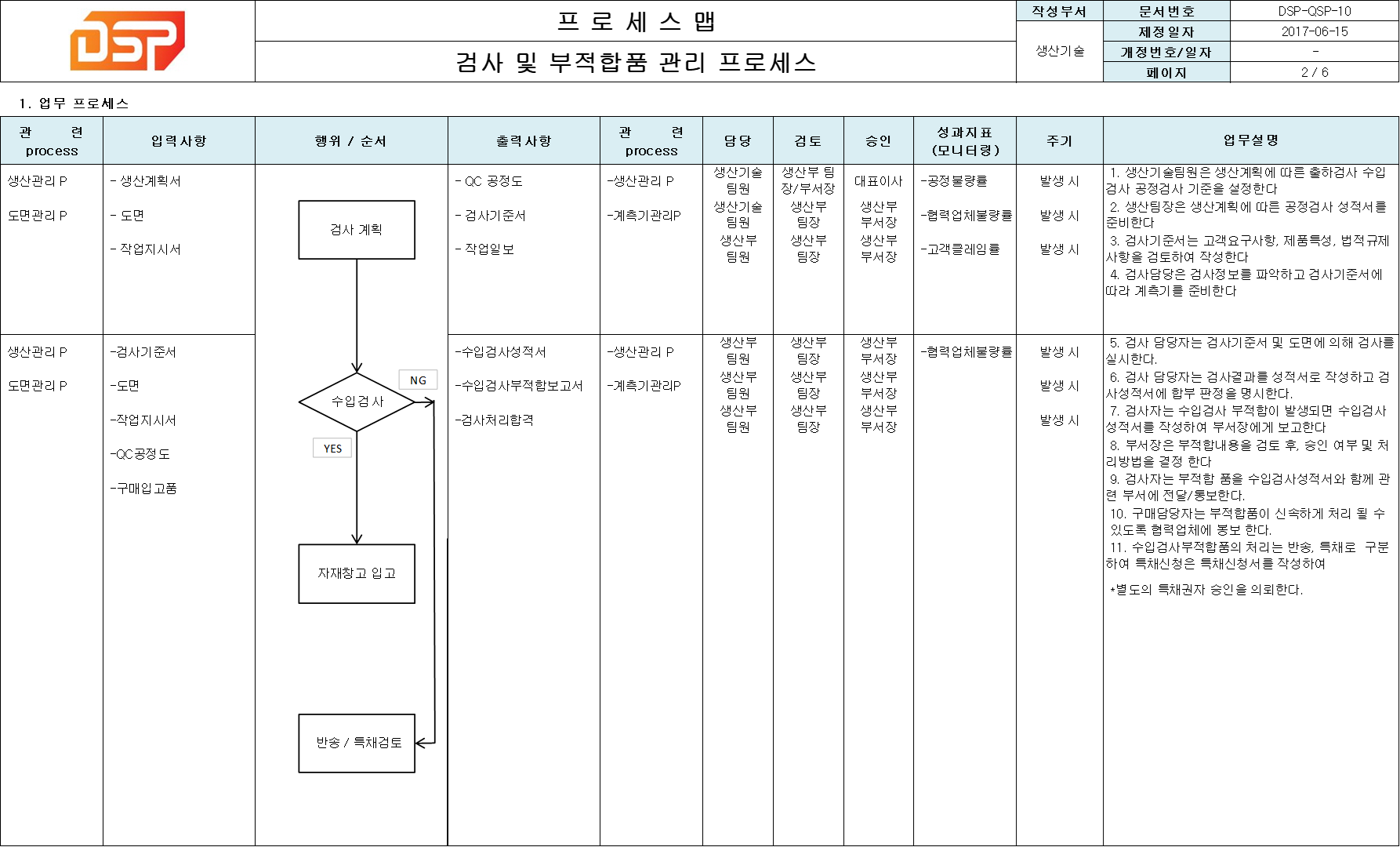
Incoming Inspection ProcessEngineering and production teams establish inspection standards based on plans and drawings, allowing inspectors to conduct incoming quality checks. Items passing this inspection are immediately approved and routed to material storage for warehouse entry. If items fail, defects are reported to the department manager for a return or concession decision, while purchasing coordinates with the supplier for corrective action.
-
-
-
-
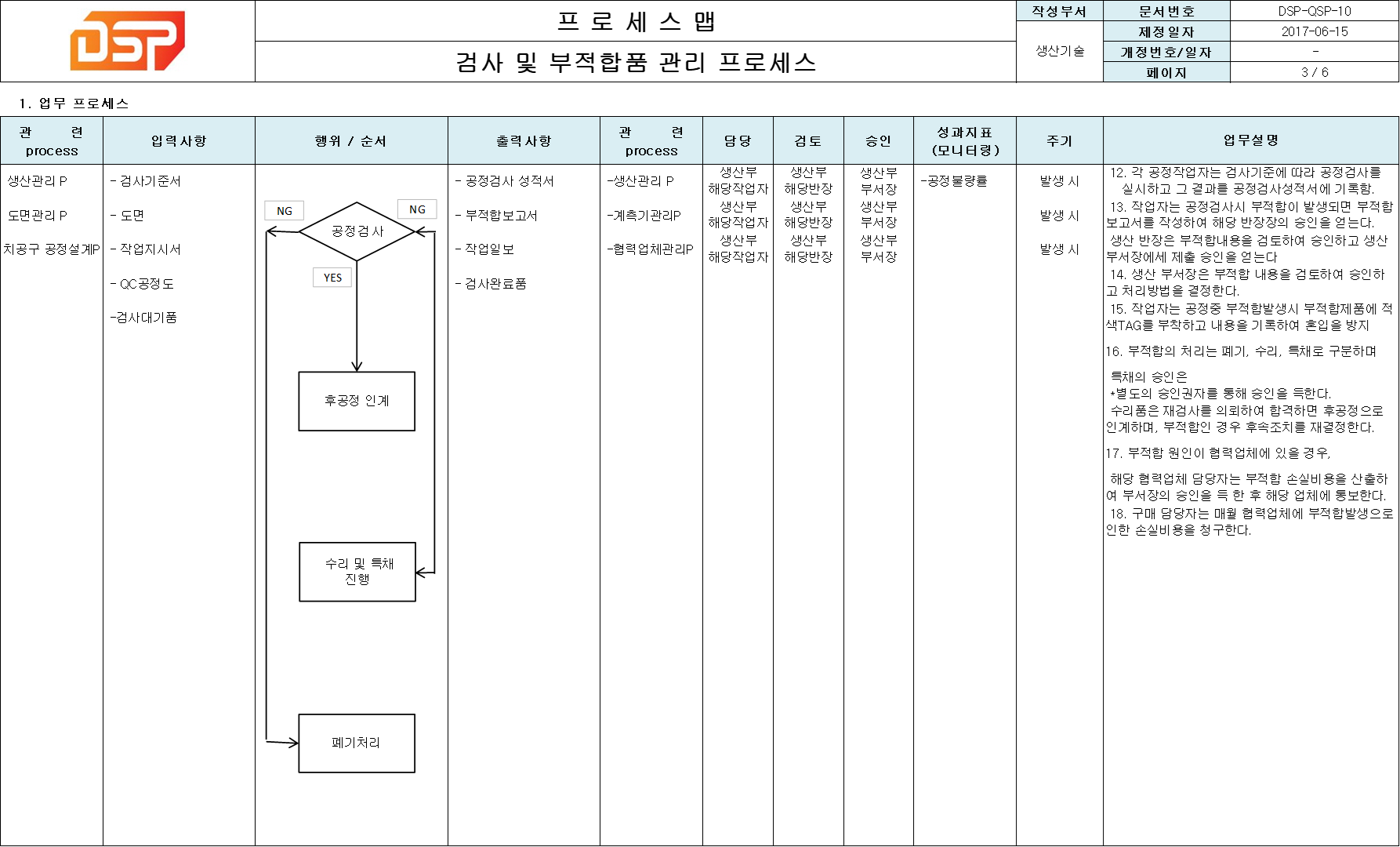
Independent InspectionThis document outlines the process inspection and non-conforming product management procedure. Operators inspect items based on standard criteria, transferring approved products to the next stage while separating defective ones for a non-conformance report. These defects are then either repaired, accepted through concessions, or permanently scrapped. Furthermore, if a supplier causes the issue, they face corrective action and monthly financial claims.
-
-
-
-
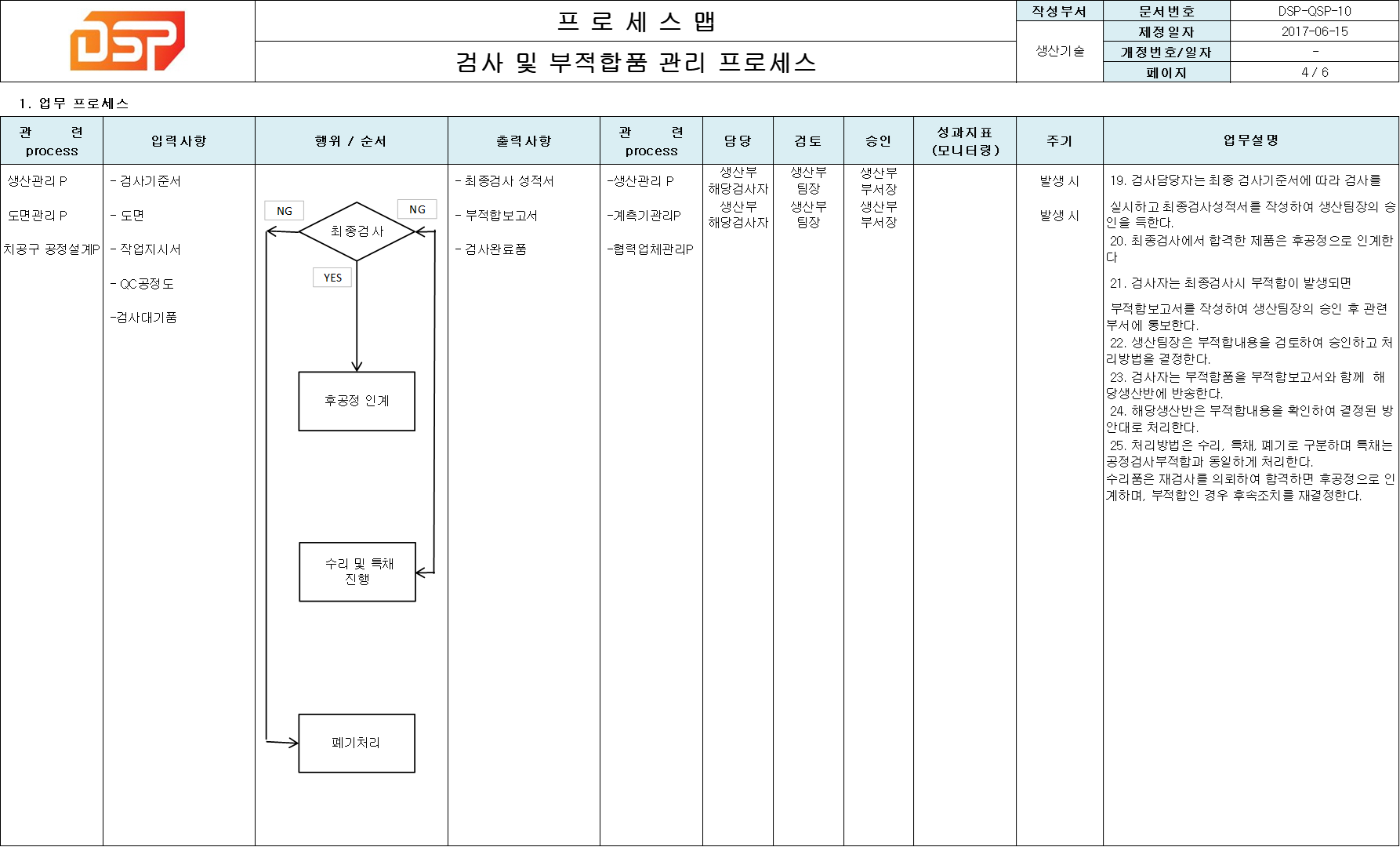
Outgoing InspectionThe inspection process begins with a final inspection; items that pass are approved by the production team leader and advance to the next stage. If non-conformities are found, a report is issued to notify relevant departments, and the team leader determines whether to repair, concede, or scrap the items. Conceded items follow standard procedures, while repaired products undergo re-inspection to determine if they can proceed or require further action.
-
-
-
-
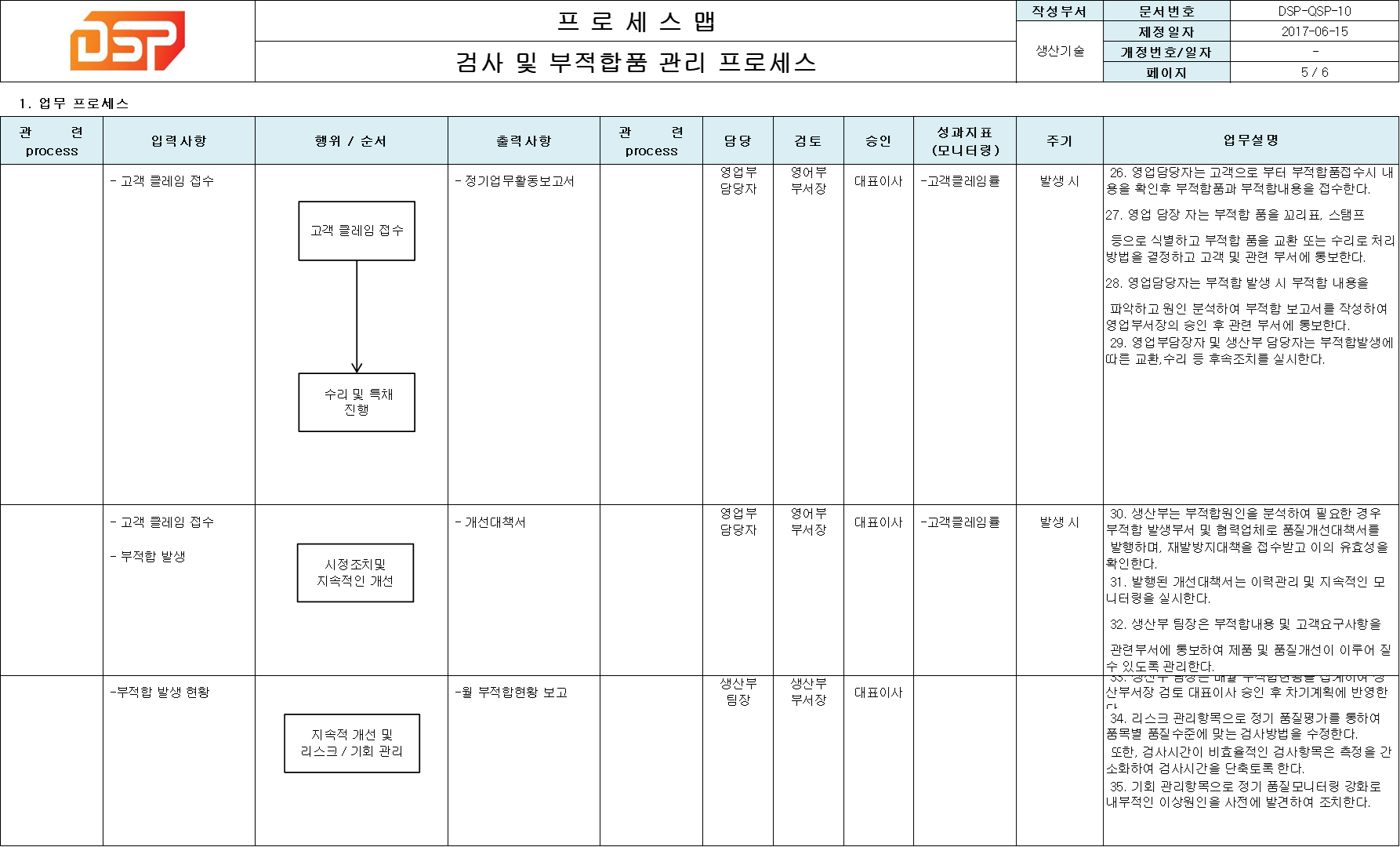
Claim ManagementWhen a customer claim is received, the sales representative registers it, stamps the products as non-conforming, and determines solutions like repair or replacement. The sales manager then analyzes the root cause to create a report and execute follow-up actions. Concurrently, the production department issues corrective action requests to suppliers, monitors improvements, and reports monthly statuses to the CEO to minimize inspection time and proactively manage quality risks.
-
Trading Ability
-
-
SIMTOS 2016201604At SIMTOS 2016, DSP Tooling (DSP) showcased its flagship products, including collet chucks, hydraulic chucks, and boring bars.
Enlarge image
ISO 9001
We are pleased to confirm that DSP TOOLING Co., Ltd. maintains an active Quality Management System certified under ISO 9001:2015 for the design, development, and manufacture of precision milling chucks, tool holders, and arbors.
Incoming Inspection Process
Engineering and production teams establish inspection standards based on plans and drawings, allowing inspectors to conduct incoming quality checks. Items passing this inspection are immediately approved and routed to material storage for warehouse entry. If items fail, defects are reported to the department manager for a return or concession decision, while purchasing coordinates with the supplier for corrective action.
Independent Inspection
This document outlines the process inspection and non-conforming product management procedure. Operators inspect items based on standard criteria, transferring approved products to the next stage while separating defective ones for a non-conformance report. These defects are then either repaired, accepted through concessions, or permanently scrapped. Furthermore, if a supplier causes the issue, they face corrective action and monthly financial claims.
Outgoing Inspection
The inspection process begins with a final inspection; items that pass are approved by the production team leader and advance to the next stage. If non-conformities are found, a report is issued to notify relevant departments, and the team leader determines whether to repair, concede, or scrap the items. Conceded items follow standard procedures, while repaired products undergo re-inspection to determine if they can proceed or require further action.
Claim Management
When a customer claim is received, the sales representative registers it, stamps the products as non-conforming, and determines solutions like repair or replacement. The sales manager then analyzes the root cause to create a report and execute follow-up actions. Concurrently, the production department issues corrective action requests to suppliers, monitors improvements, and reports monthly statuses to the CEO to minimize inspection time and proactively manage quality risks.
Enlarge image
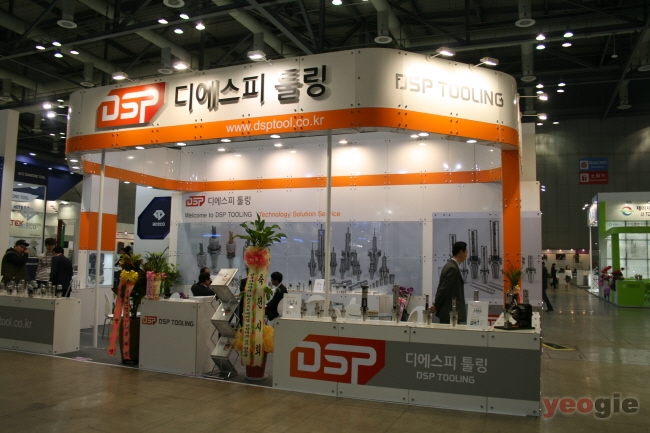
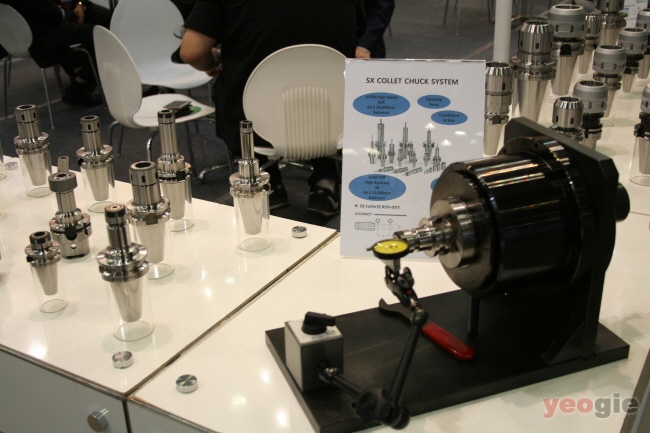
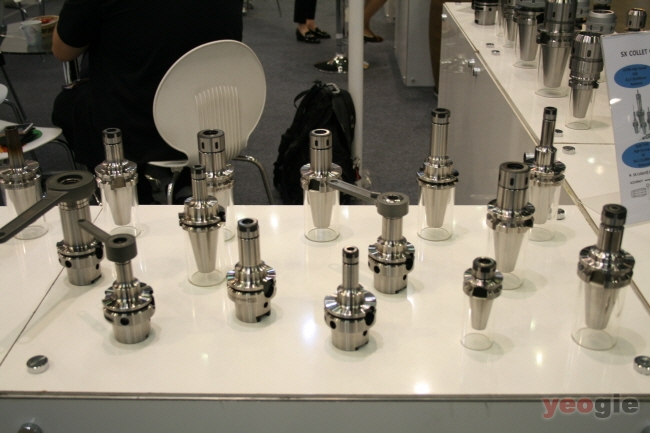
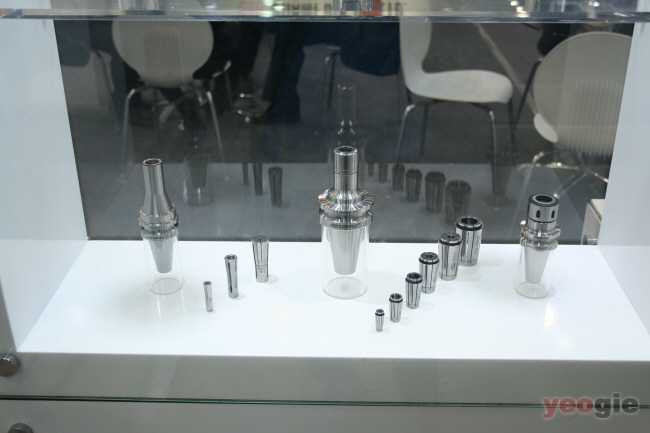
At SIMTOS 2016, DSP Tooling (DSP) showcased its flagship products, including collet chucks, hydraulic chucks, and boring bars.
The SX collet chuck, integrated with DSP's unique advanced technology, is a collet chuck system designed for high-speed machining. A company official explained, "It guarantees a high runout precision of 5 microns, provides G6.3 balancing at 15,000 RPM as standard, and is highly versatile for various types of machining processes."
At the SIMTOS exhibition, the SX collet chuck was highly evaluated by customers for its reliability, offering enhanced stability backed by DSP's proven track record and years of sales experience.
In addition, DSP showcased various new products, including hydraulic chucks and boring bars, cementing its status as a tool holder specialist. Regarding the popular ER collet chuck, an official noted, "Its double-taper design delivers powerful gripping force and easy handling without extra tools. With its flexible collet sizing, it remains one of our most popular systems."
QR Code
Scanning the QR code
will take you to the page, which you can easily share.
