

- MID
- 3741681
Bush
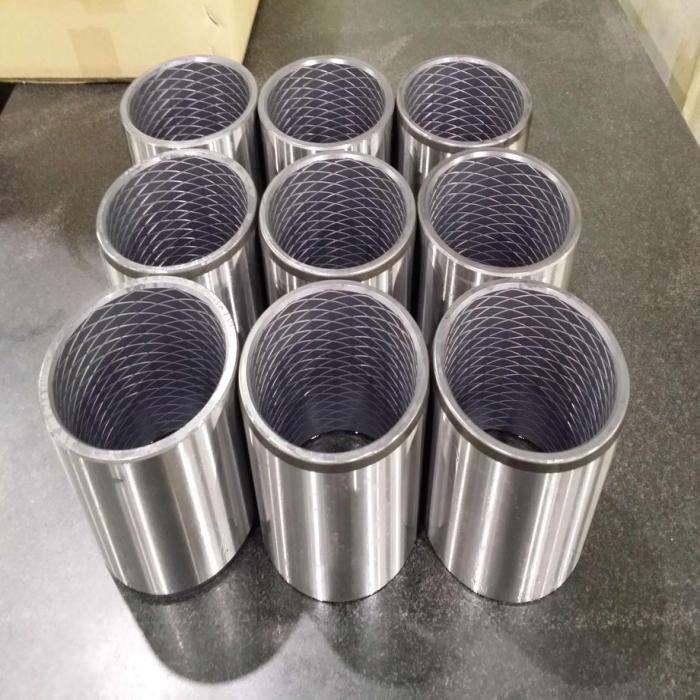
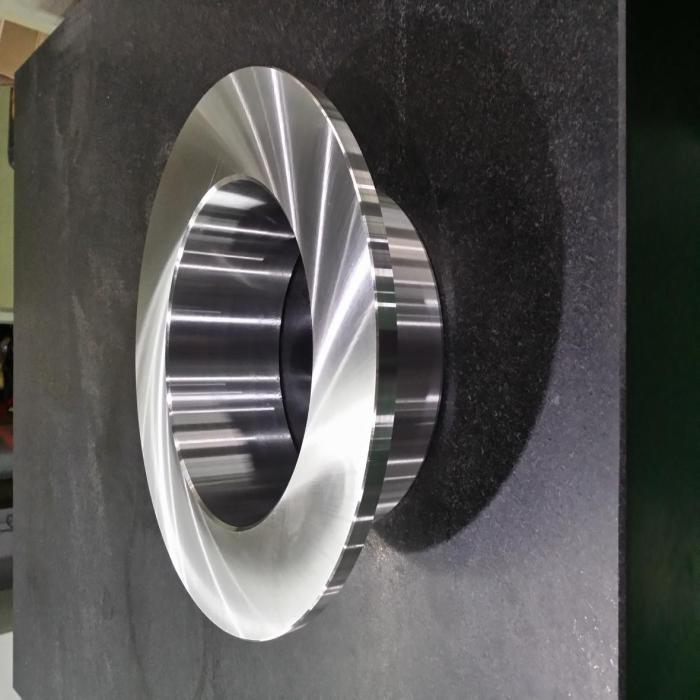
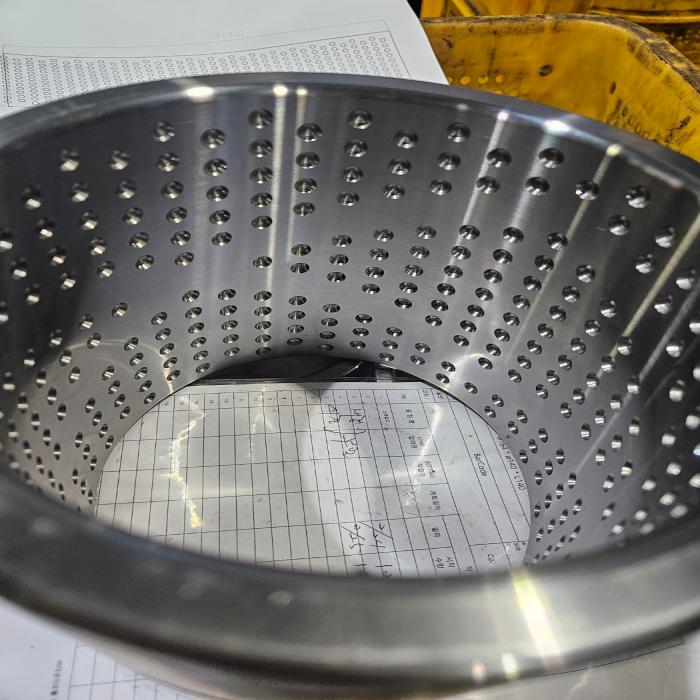
A bushing, also called a bushing or sleeve bearing, is a cylindrical component designed to reduce friction and wear between moving parts (usually a shaft and a housing) in various mechanical systems. They are precision-engineered for applications requiring controlled movement and load support.
Types of bushings:
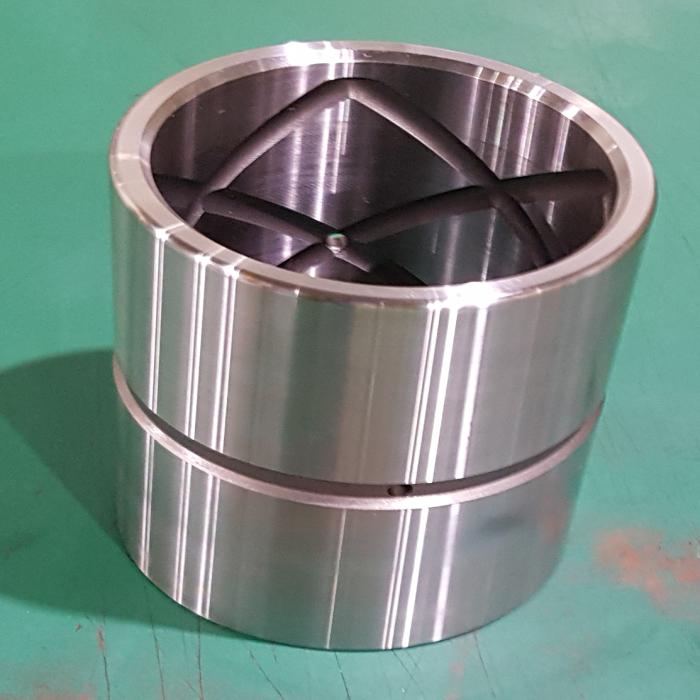
Sleeve bushing: A cylindrical component that mounts on a shaft.
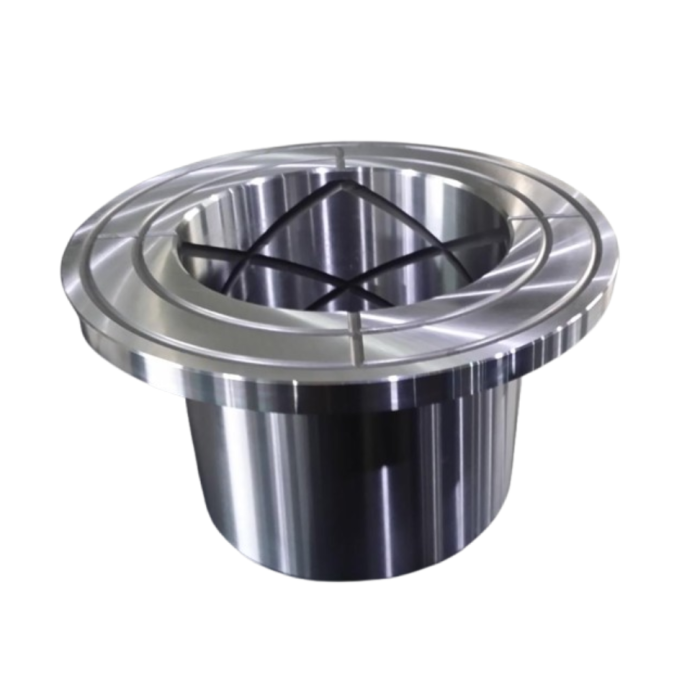
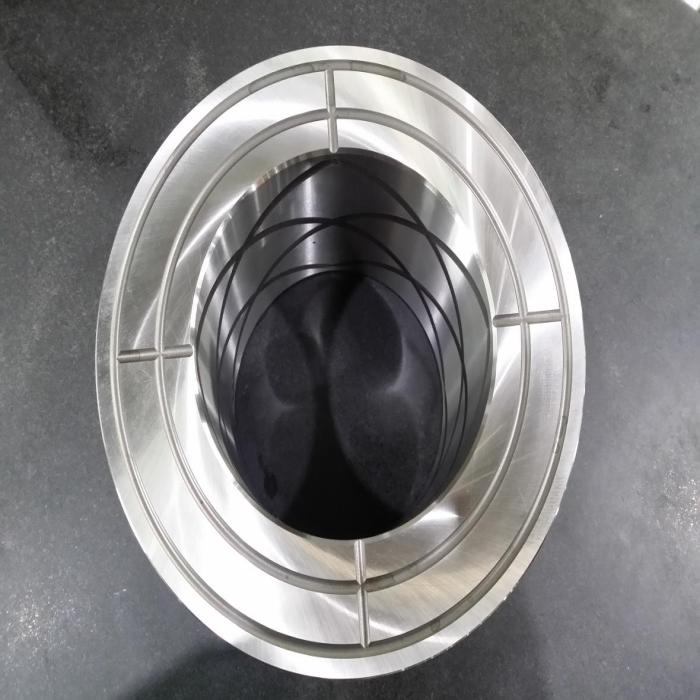
Flange bushing: Has a flange or lip for mounting.
Guide bushing: Designed for precise alignment and guidance of shafts.
- Certification
-
- Award
-
- Shipping
-
- Payment
-
140+ Global Payments, trusted and secure payment provided by PayVerse.
Learn More
- Quantity
- MOQ : 1 Pieces
Product Summary
Role:
Acts as a buffer between the shaft and the housing
Prevents wear of the shaft or pin (the bushing wears instead)
Reduces noise and vibration
Lubricates (self-lubricating materials can be used)
Detailed Description
Bush, Bushing
Definition: A bush is a cylindrical insert used to reduce wear on parts that come into contact with a shaft or pin and to ensure smooth rotation or movement. Simply put, it acts like a "protective socket for the shaft to go into in the machine."
Role:
Acts as a buffer between the shaft and the housing
Prevents wear of the shaft or pin (the bushing wears out instead)
Reduces noise and vibration
Lubrication (self-lubricating materials can be used)
📌 Main Features
Relatively simple structure (single part)
Easy to replace and maintain
Used in parts with high friction such as power transmission shafts, hinge pins, and rotating parts
📌 Types
Plain Bush (Sleeve Bearing) – Simple cylindrical shape
Flanged Bush – Has a flange at one end to fix the position
Split Bush – Has a cut for easy assembly and disassembly
Self-lubricating Bush (Self-lubricating Bush) - Copper alloy, bronze, PTFE, polymer material
📌 Examples
Automobiles: Suspension arm bushing, stabilizer link bushing
Excavators and construction equipment: Bushing used in bucket and boom joints
Industrial machinery: Bushing between motor shaft and housing
