

- PID
- 3702724
Cross Members
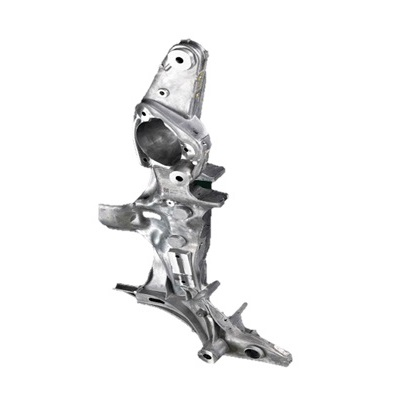
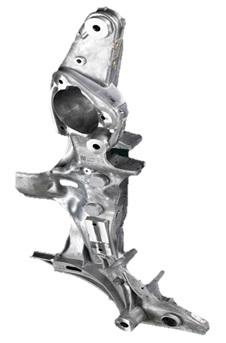
Structural Support: In automotive engineering, cross members refer to horizontal structural members that connect and reinforce the frame or chassis of a vehicle. They play a crucial role in providing structural rigidity, torsional stiffness, and overall strength to the vehicle's frame.
- Certification
-
- Award
-
- Shipping
-
- Payment
-
140+ Global Payments, trusted and secure payment provided by PayVerse.
Learn More
- Quantity
- MOQ : 5,000 Pieces
Product Summary
Detailed Description
Structural Support: In automotive engineering, cross members refer to horizontal structural members that connect and reinforce the frame or chassis of a vehicle. They play a crucial role in providing structural rigidity, torsional stiffness, and overall strength to the vehicle's frame.
Frame Integrity: Cross members help distribute and transfer loads and stresses across the vehicle's frame, reducing flexing and bending that can occur during vehicle operation, especially in off-road or high-stress conditions. This contributes to improved vehicle stability, handling, and safety.
Mounting Points: Cross members often serve as mounting points for various vehicle components, including the engine, transmission, suspension systems, and body panels. They provide secure attachment points and help distribute the weight and forces generated by these components throughout the vehicle's structure.
Crash Protection: In the event of a collision or impact, properly designed cross members can enhance the vehicle's crashworthiness by absorbing and dissipating energy, minimizing deformation of the passenger compartment, and protecting occupants.
Noise and Vibration Control: Cross members can also contribute to reducing noise, vibrations, and harshness (NVH) levels in the vehicle by adding stiffness to the chassis, which helps dampen vibrations and noise from the road and mechanical components.
Materials and Design: Cross members are typically made from high-strength steel, aluminum alloys, or composite materials to achieve the desired balance of strength, weight savings, and cost-effectiveness. The design of cross members takes into account factors such as material properties, geometry, attachment points, and integration with other chassis components.
Overall, cross members are essential structural elements in automotive design, contributing to the overall performance, safety, and durability of vehicles by providing a strong and stable foundation for various vehicle systems and components.
