

- PID
- 3013649
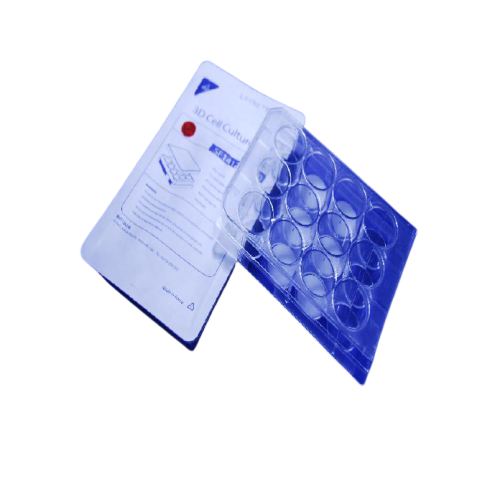
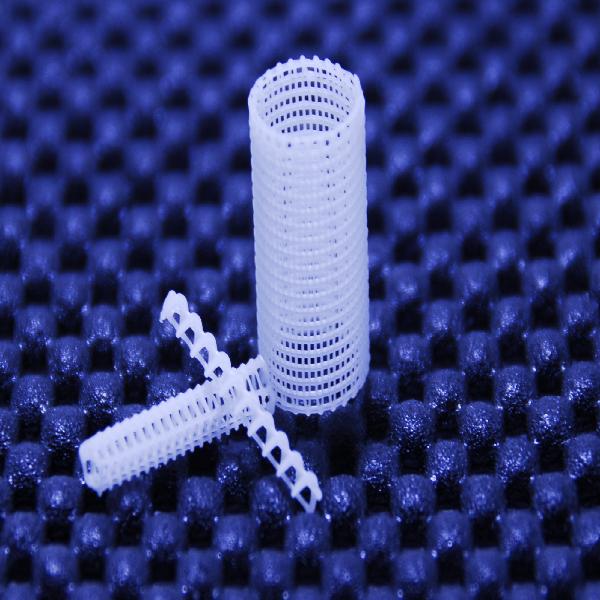
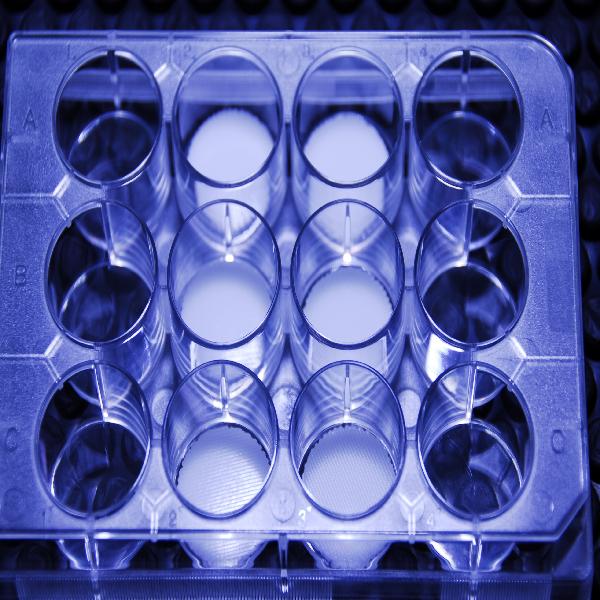
3D Scaffold
- Certification
-
- Award
-
- Shipping
-
- Lead Time7 ~ 28days
- Modes of Transport CIF
- Payment
-
140+ Global Payments, trusted and secure payment provided by PayVerse.
Learn More
- Quantity
- MOQ : 100 ea
Detailed Description
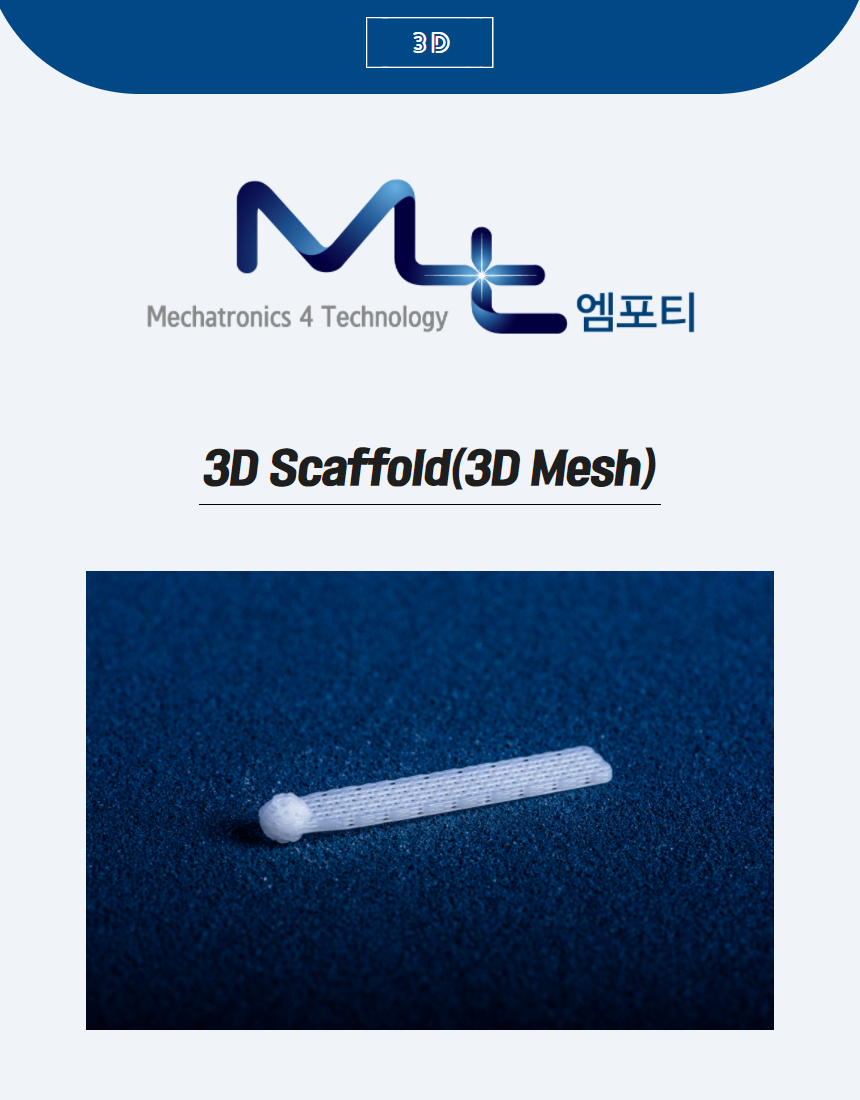
3D Scaffold
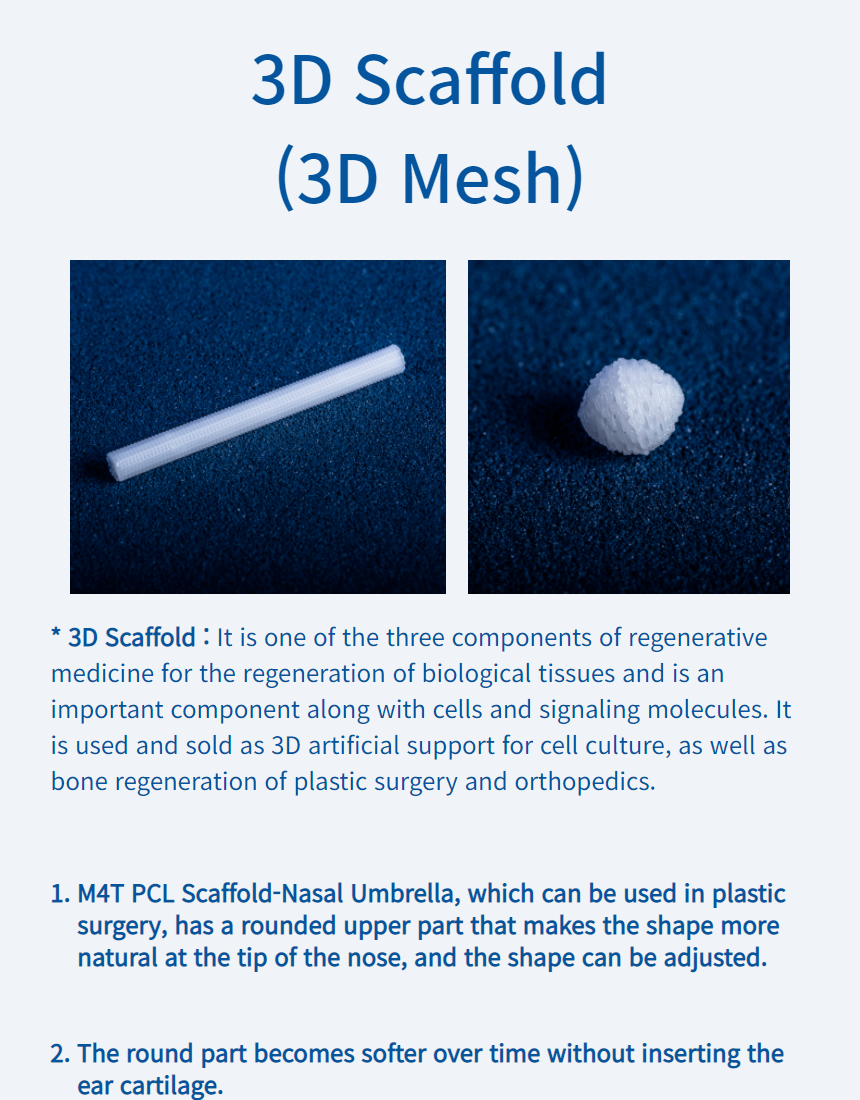
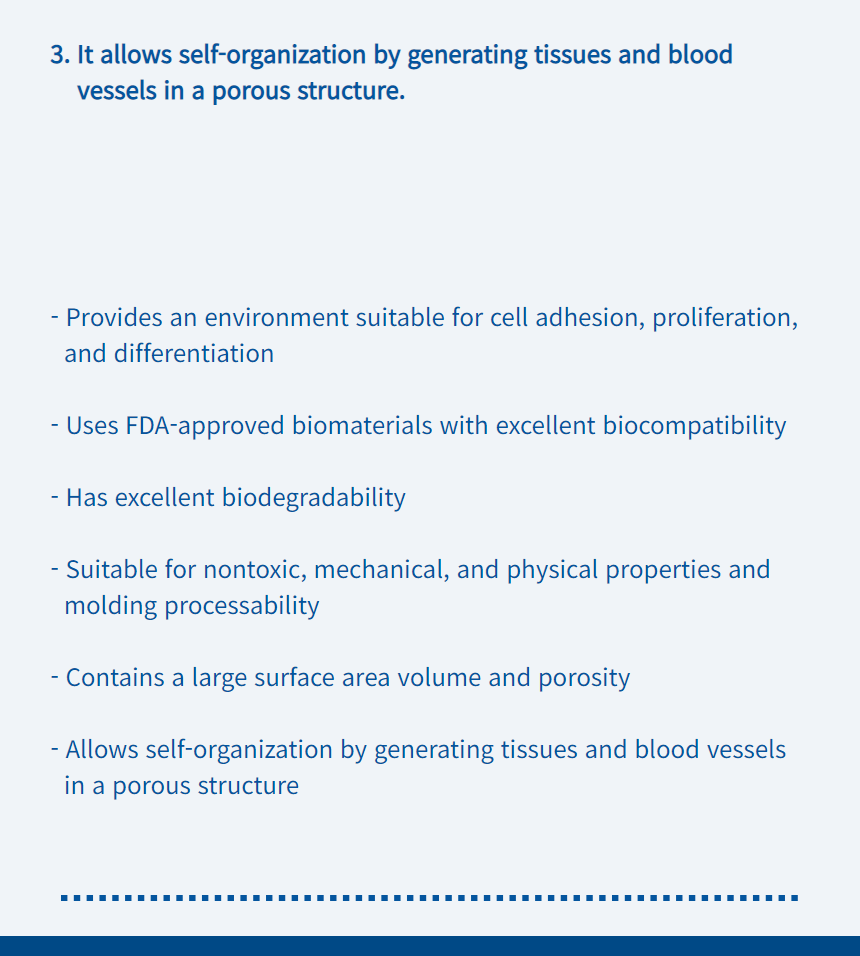
Scaffolds should have void volume for vascularization, new tissue formation and remodeling so as to facilitate host tissue integration upon implantation. Polymer scaffolds can provide mechanical strength, interconnected porosity and surface area, varying surface chemistry, and unique geometries to direct tissue regeneration. Scaffolding is essential in this endeavor to act as a three-dimensional template for tissue ingrowths by mimicking extracellular matrix.
With 2D scaffold, cell-to-cell interaction is limited and cellular organization
and polarity are disrupted. It causes inaccurate representation of the
cellular environment experienced by cells in vivo. Also, scaffold needs to
have highly porous structure to transfer nutrients, oxygen and growth
factors, and excretes waste matter smoothly. M4T offers porous 3D scaffolds
more closely resembling those in vivo environment in regards to
inducing correct cell morphology, cellular environment, gene expression
and biological behavior of the cells.
Features
1. Because of gamma ray sterilization on the 3D scaffold kit, it is available for immediate use with no additional process for cell cultivation.
2. It has such a highly porous structure that it can efficiently convey nutrients, oxygen and growth factors, or remove by-products from biodegradation.
Advantages
1. Highly efficient cell culture.
Cells can be mass-produced by culturing on multi-layered scaffold.
2. Suitable for mass culture system.
It is more appropriate in case a surface area and cell number should be maximized such as cell culturing for virus vector for gene therapy.
3. More space for 3D cell culture.
M4T’s 3D scaffold gives more room for cells to grow than 2D scaffold of other companies, which as result, the number and size of cultured cells can be larger, so it is very convenient for the researchers to carry out their experiment for a longer period of time without moving the cells.
4. Enhanced efficiency and reproducibility of cell experiments.
For cells with different physiological characteristics depending on surrounding environment, 3D scaffold allows for efficient cell culture, maintaining a condition similar to the in-vivo environment. As a result, the cells can keep their physiological characteristics.
